
From Launch Events to Launch Experiences

- Viraj Sawant

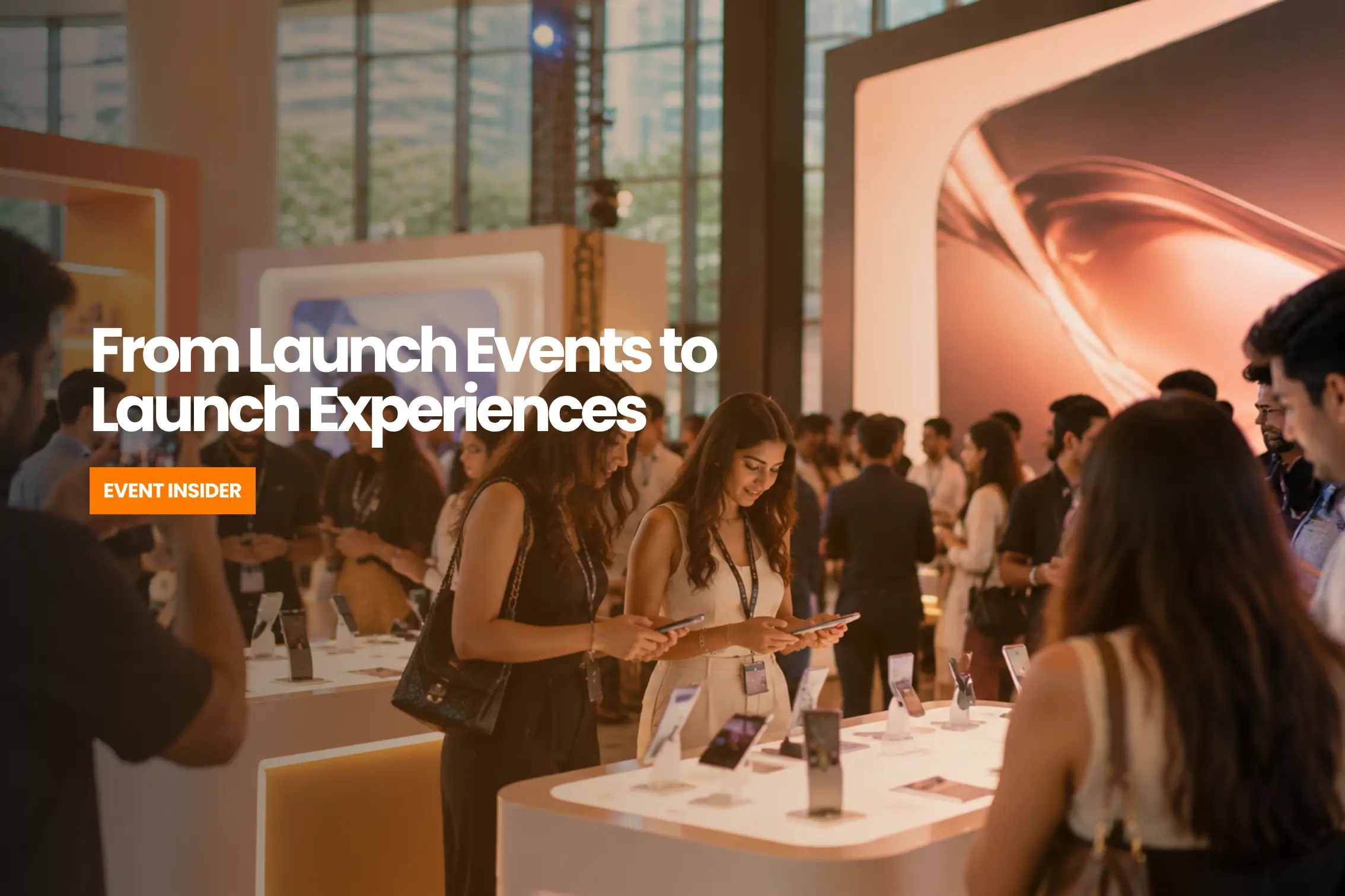
Product and brand launches are changing. What was once centred around a stage, a presentation, and a reveal is now becoming a more immersive experience designed around audience participation.

Today, launch experiences are expected to do more than introduce something new. They need to create excitement, encourage interaction, generate content, and give audiences a reason to remember the brand beyond the event itself.

This shift from traditional launch events to experiential launch events is changing how brands plan, design, and execute their most important moments.

Launch Experiences Put the Audience First

Traditional launch events often focus heavily on the brand message. Modern launch experiences focus equally on how the audience receives and interacts with that message.

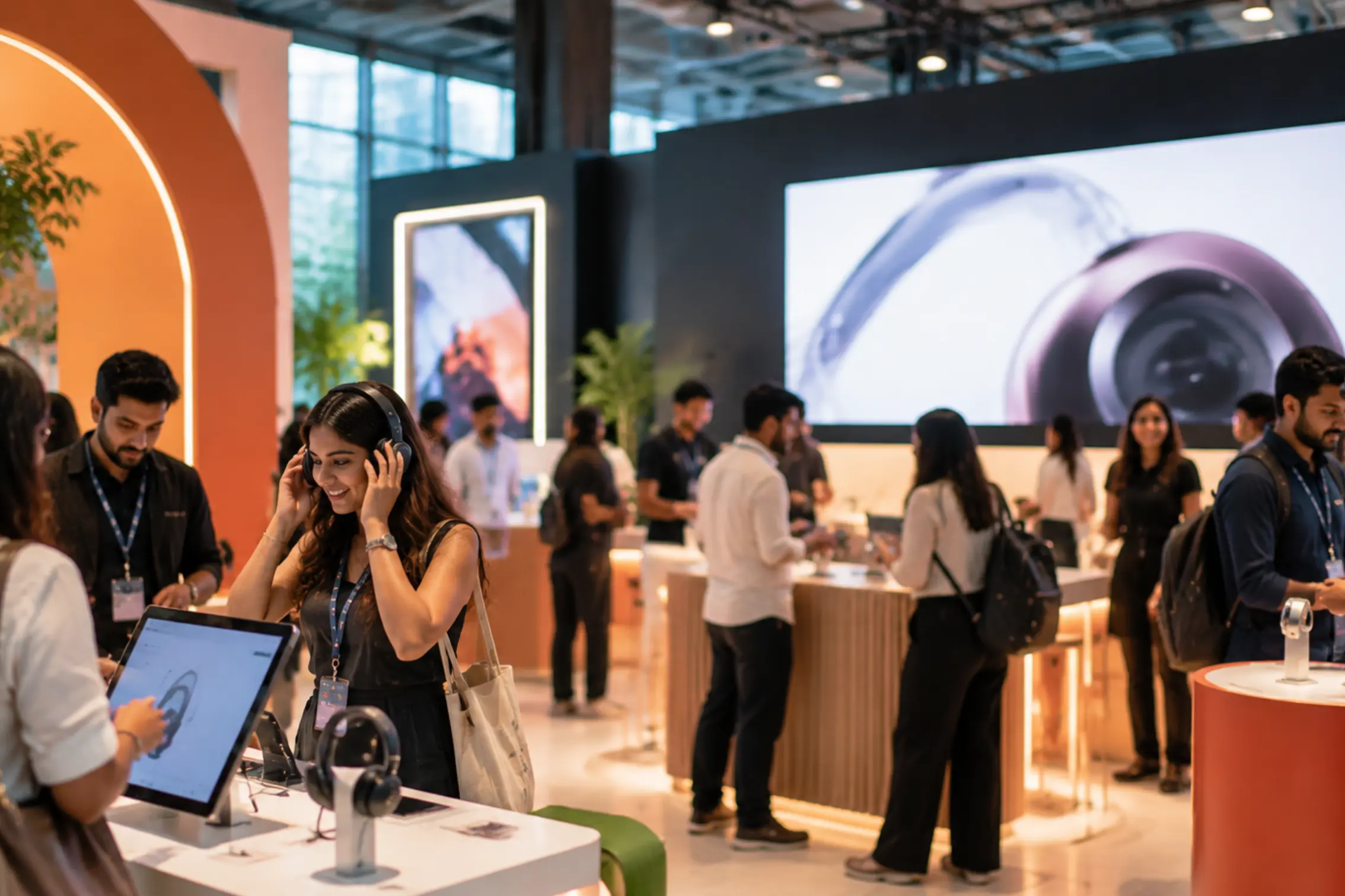
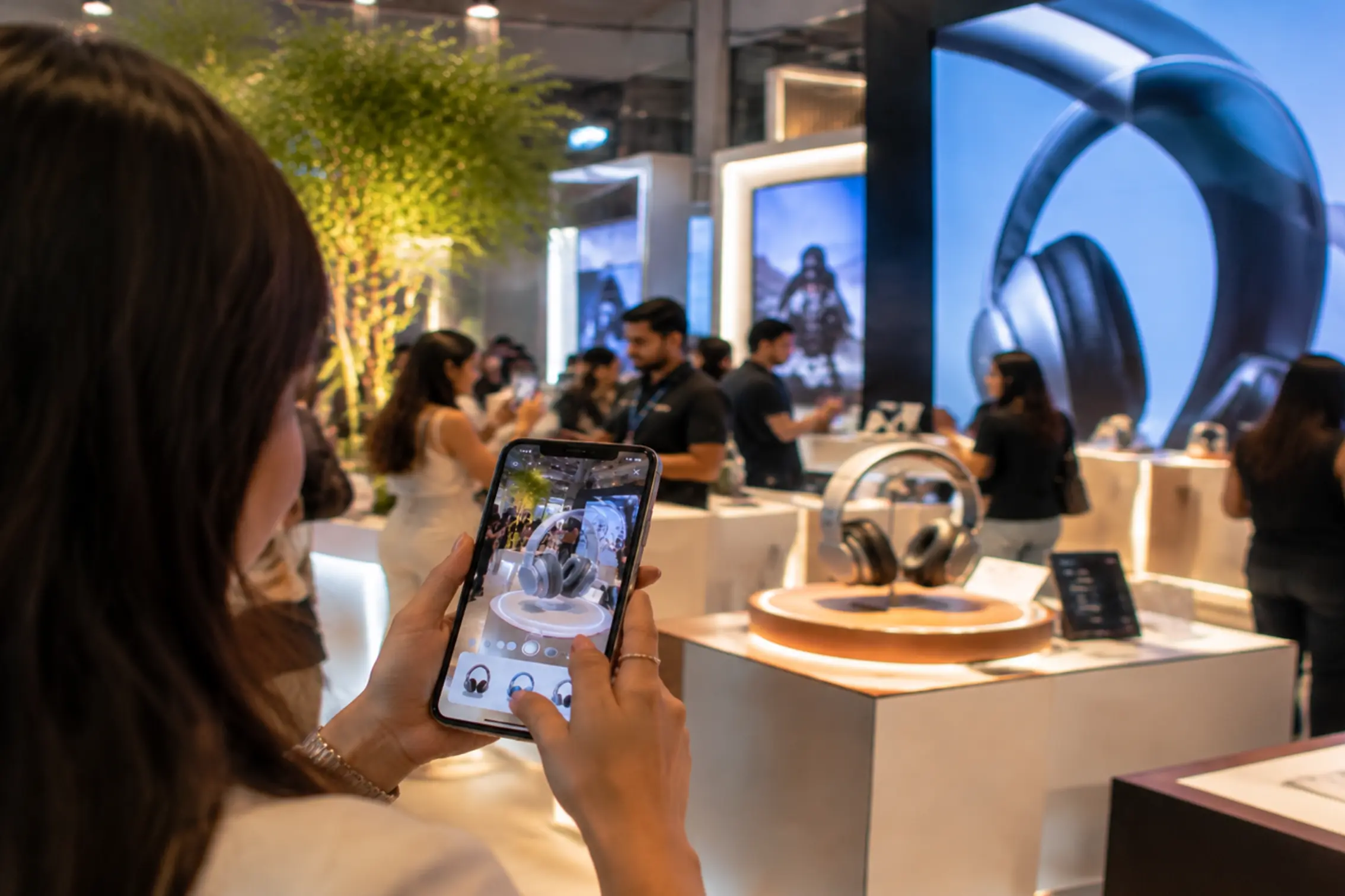
Instead of simply watching a product reveal or presentation, guests can explore interactive zones, participate in demonstrations, experience installations, and engage directly with the product or brand.

This audience-first approach makes the launch feel more personal and creates stronger opportunities for engagement.

Experiential Launch Events Build Brand Recall

People are more likely to remember what they actively experience.

Experiential launch events use design, storytelling, technology, entertainment, and interaction to create moments that stay with the audience.

A product demonstration can become an immersive experience. A presentation area can become an interactive brand environment. Even the way guests enter, move through, and leave the venue can contribute to the overall brand story.

When every touchpoint feels connected, the launch becomes more memorable.

Technology Is Changing Product Launch Experiences

Technology is opening new possibilities for modern product launch events.

Interactive screens, augmented reality, immersive projections, digital installations, QR-led experiences, and live content can help audiences understand products in more engaging ways.

Technology can also make complex features easier to demonstrate and give guests opportunities to explore information at their own pace.

The key is to use technology with purpose rather than adding it only for visual impact.

Create Moments Designed for Sharing

Launch experiences today often extend far beyond the physical venue.

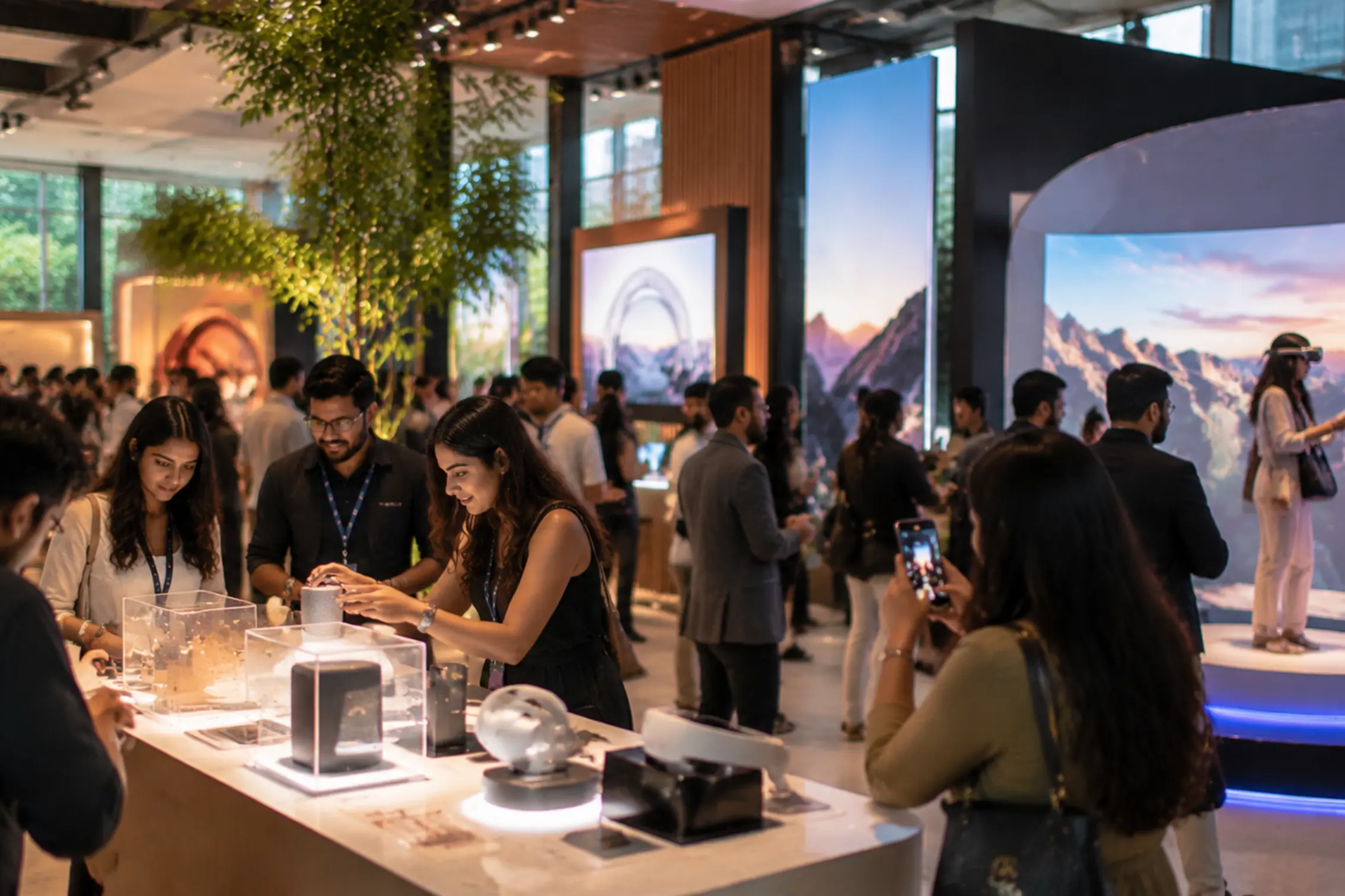
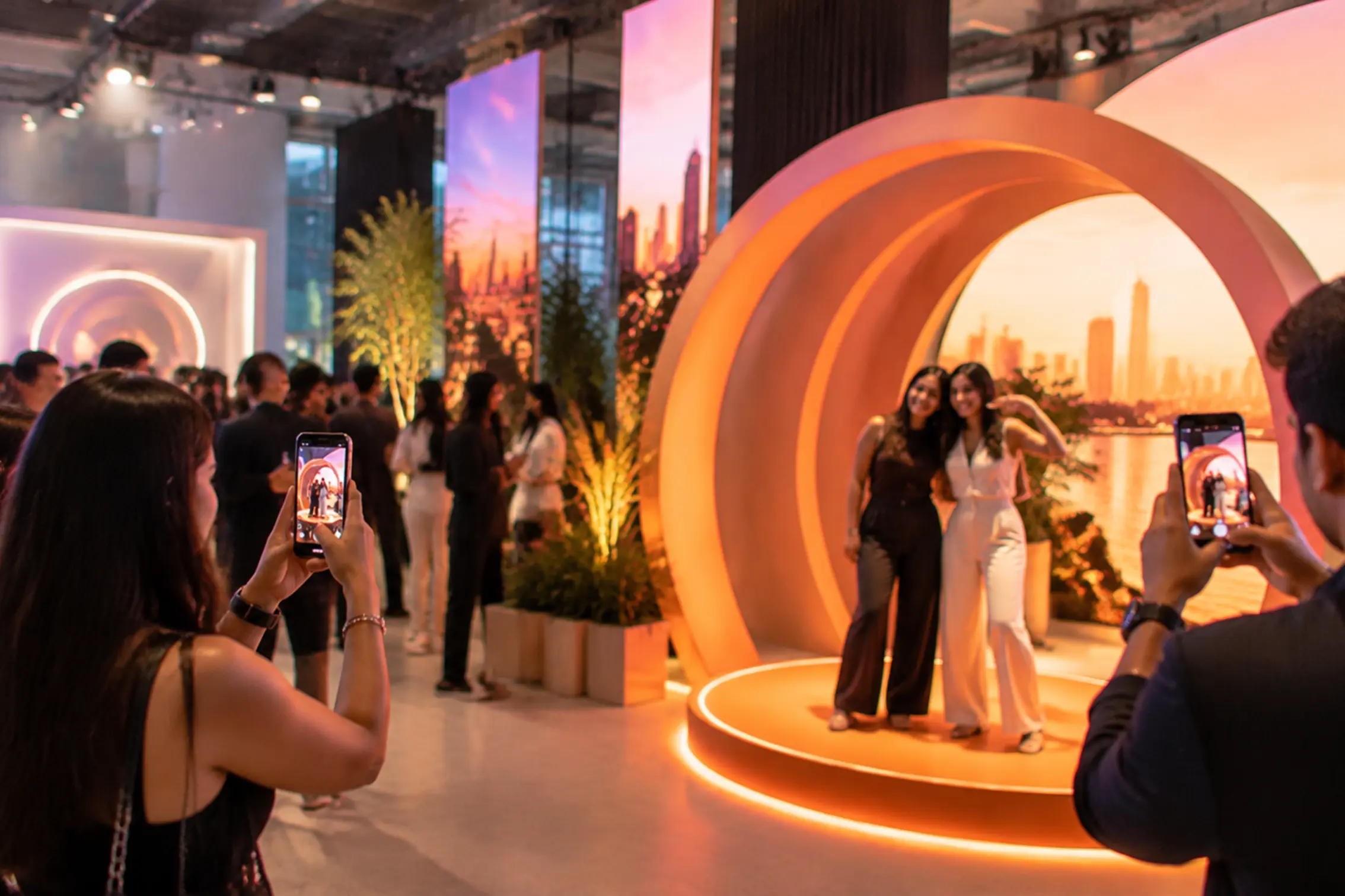
Photo opportunities, interactive installations, visually strong stage designs, branded experience zones, and shareable moments can encourage guests to create organic social media content.

This gives brands the opportunity to amplify the launch through attendees, influencers, partners, employees, and media.

A strong launch experience therefore needs to work both inside the venue and across digital platforms.

The Crewtangle Take

The future of launch events lies in creating experiences people can participate in, not just presentations they can watch.

At Crewtangle, we believe successful launch experiences combine strategy, storytelling, spatial design, technology, and flawless execution. Every interaction should help audiences understand the brand, experience the product, and remember the moment.

When a launch is designed around participation and emotion, it becomes more than an event. It becomes a brand experience with impact that continues long after the reveal.