
- Gayatri Sapre
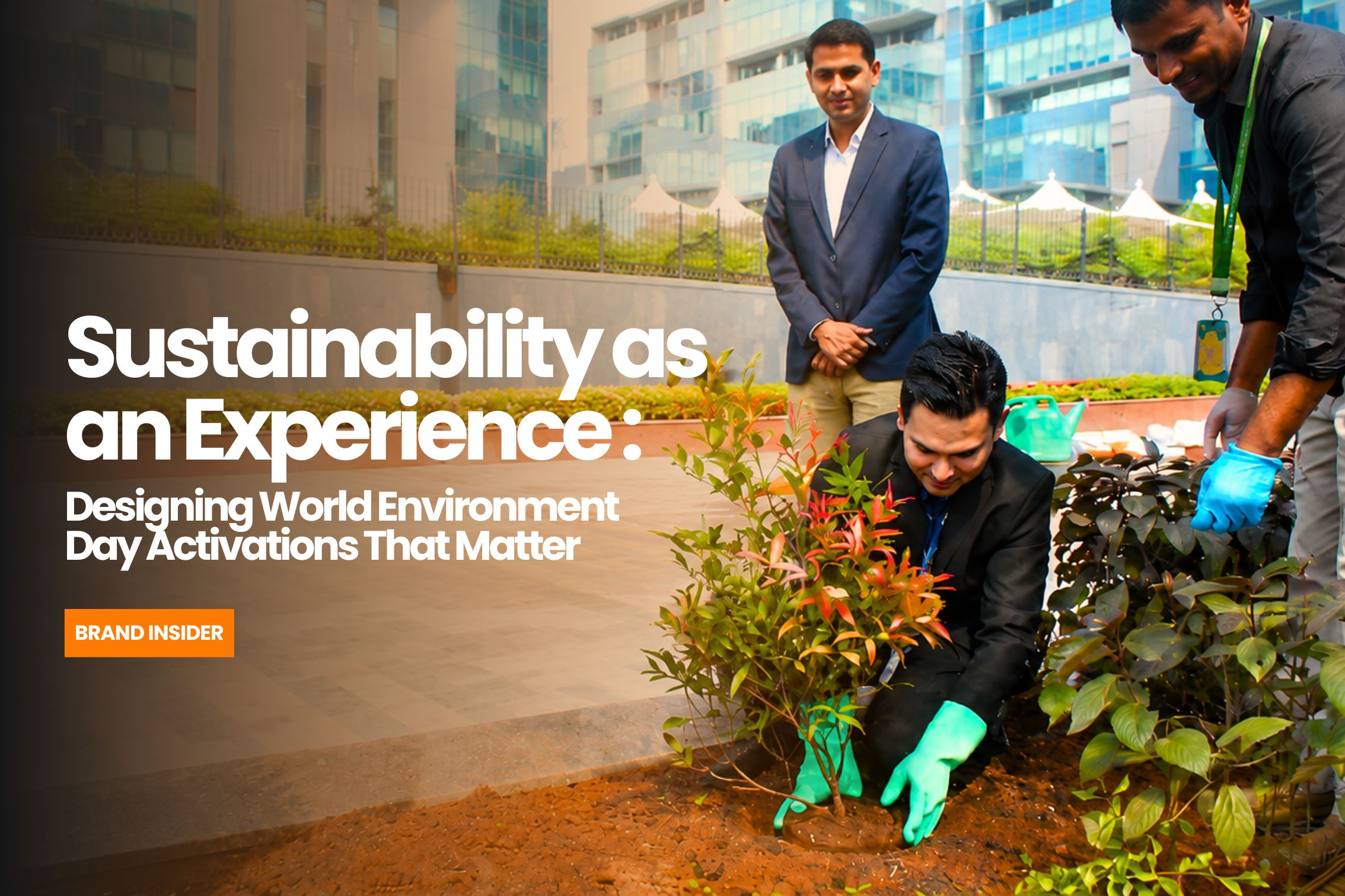
World Environment Day has become an important opportunity for brands and organizations to talk about sustainability in more visible and engaging ways. From office campaigns to large-scale brand activations, companies are increasingly looking for ways to involve people in environmental conversations.
However, meaningful sustainability campaigns today need to go beyond awareness alone. Awareness is the starting point, but experiences are what help people connect with the message more deeply. When people actively participate in an initiative instead of simply observing it, the impact becomes more memorable and long-lasting.
For brands, agencies, and workplaces planning World Environment Day initiatives, the focus should be on creating experiences that encourage interaction, participation, and small behavioral changes.
Awareness Starts The Conversation
Awareness plays an important role in sustainability efforts. It introduces people to environmental issues, encourages discussion, and helps organizations communicate their values.
But awareness alone is often not enough to create long-term engagement. People are more likely to remember and act on sustainability messages when they experience them firsthand. Interactive experiences create stronger emotional connections and make the message feel more relevant to everyday life.
Instead of simply telling people to care about sustainability, activations can encourage them to actively participate in it.
Why Experiential Activations Matter
Experiential activations help transform sustainability from a message into an action. When employees, customers, or attendees engage directly with an activity, they feel more involved in the initiative rather than being passive participants.
Simple experiences often leave a stronger impression than large campaigns filled only with information or branding. Activities that encourage contribution, collaboration, or creativity can make sustainability feel more approachable and achievable.
These experiences also help people understand that sustainability is not only about large environmental goals. It is also about small everyday habits and conscious decisions.
Moving Beyond One-Day Sustainability Campaigns
Sustainability should not exist only during World Environment Day or Earth Day campaigns. While these occasions are valuable for starting conversations, environmental responsibility should become a part of everyday workplace culture and brand experiences.
Organizations today are increasingly including sustainability-focused activities across employee engagement programs, corporate events, exhibitions, conferences, and internal initiatives throughout the year. This helps sustainability feel more natural and consistent rather than seasonal or performative.
Even small ongoing efforts — like reusable event materials, recycling stations, green gifting, or low-waste office activities — can create long-term impact when practiced regularly.
The goal is not just to celebrate the environment on a particular day, but to integrate sustainable thinking into everyday experiences and interactions.
Moving Beyond Decorative Sustainability
Many Environment Day campaigns rely heavily on green-themed visuals, artificial plants, or generic messaging around “saving the planet.” While these elements can support the theme, they should not become the core of the activation.
Today’s audiences value authenticity and participation more than surface-level symbolism. A meaningful sustainability activation should focus on engagement rather than just appearance.
The goal is not to create a space that only looks sustainable. The goal is to design experiences that inspire people to think differently and participate actively.
Even small but thoughtful ideas can create a stronger impact than elaborate setups that lack interaction.
Interactive Ideas for World Environment Day
The best sustainability activations are often simple, engaging, and easy for people to connect with. Activities should encourage people to participate rather than just observe.
Some effective activation ideas include:
- DIY planting stations
- Seed paper or recycled paper workshops
- E-waste collection drives
- Upcycling activities
- Waste segregation games
- Green commute challenges
- Interactive installations made from recycled materials
These experiences make sustainability feel more practical and personal. They also encourage conversations that continue beyond the event itself.
Designing Activations With Purpose
Successful Environment Day activations should align with the organization’s culture and values. Employees and audiences can often tell when sustainability is treated as a one-day campaign rather than an ongoing effort.
Authenticity plays a major role in how people respond to these initiatives. Brands that consistently support sustainable practices throughout the year create stronger trust and engagement during awareness campaigns.
The most impactful activations are not always the biggest ones. Often, the experiences people remember most are the ones that feel genuine, thoughtful, and participative.
Conclusion
World Environment Day activations are most effective when they help people experience sustainability instead of simply hearing about it. Awareness remains the first step, but participation is what helps create deeper engagement and lasting impact.
At the same time, sustainability should not be limited to one annual celebration. The strongest impact comes when environmentally conscious experiences become part of everyday workplace culture and brand interactions throughout the year.
By designing interactive and meaningful experiences, brands and organizations can make sustainability feel more personal, actionable, and memorable long after the event is over.
The Crewtangle Take
At Crewtangle, we believe sustainability creates the strongest impact when people actively experience it. Through environment-focused activations, launch events and employee engagement experiences, we’ve seen how interactive, low-waste and thoughtful ideas can turn awareness into participation.
Sustainability should not be limited to World Environment Day or Earth Day. When integrated into events, workplaces and brand experiences throughout the year, it creates a more authentic and lasting impact.
Because meaningful experiences today are not just about engagement, they are about responsibility, participation and conversations that continue long after the event ends.
-
Content that rocks the world
06 November, 2020 -

Design: Bringing Ideas to Life
12 November, 2020 -

Whassup Bud: One of Budweisers’ Evergreen Television Ad Campaign
20 November, 2020 -

Brands must be Gods
27 November, 2020 -

The Deffective Dictionary
08 January, 2021