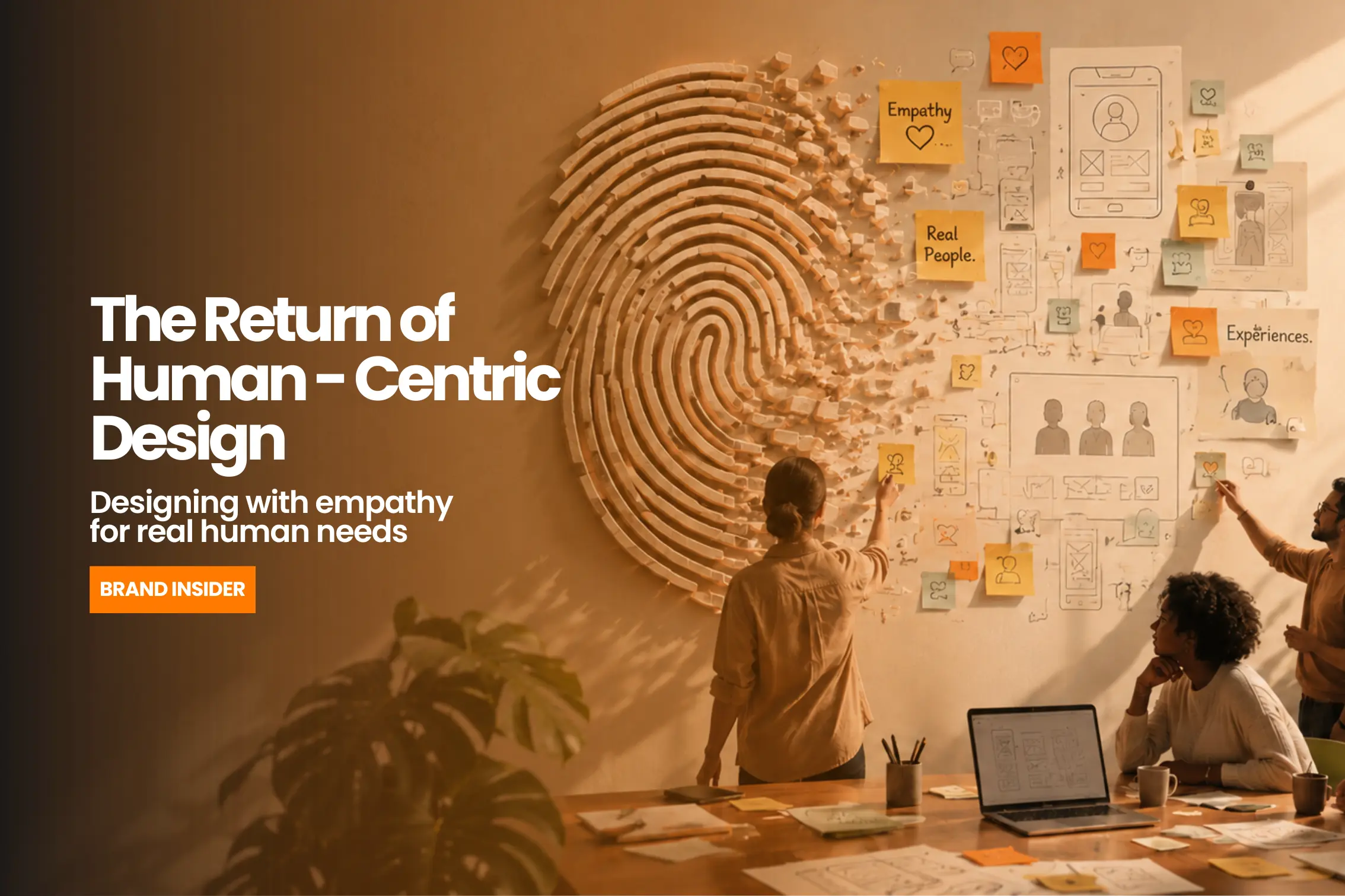
The Return of Human-Centric Design

- Gayatri Sapre

The Return of Human-Centric Design: Why People-First Branding Builds Stronger Brands 

In today’s digital world, businesses have access to more technology than ever before. Artificial intelligence can generate content, automate workflows, and accelerate creative processes. Yet one thing hasn’t changed – people still seek authentic experiences. As brands adopt more automation, human-centric design has become essential for improving customer experience, strengthening brand identity, and building lasting relationships. 

Human-centric design places people—their needs, emotions, behaviours, and experiences—at the centre of every business decision. Rather than designing for aesthetics alone, it focuses on creating products, services, websites, events, and marketing strategies that genuinely solve problems and deliver meaningful experiences. 

At Crewtangle, we’ve seen businesses shift from asking, ”Can we create something visually appealing?“ to ”Will this experience genuinely connect with our audience?“ That question is shaping the future of branding. 

Human-Centric Design Starts with Understanding People

Great design begins with empathy, not visuals. 

Before creating any experience, businesses should ask: 

Who is the audience? 

  • What challenges are they facing? 
  • What do they expect from the brand? 
  • What kind of experience will make them feel understood? 

The answers influence every decision—from branding and website design to marketing campaigns and events. When design starts with understanding people, it creates experiences that feel natural, memorable, and authentic. 

AI Can Improve Efficiency, But Human-Centric Design Builds Trust

Artificial intelligence has transformed the creative industry by making ideation faster and simplifying repetitive tasks. At Crewtangle, we embrace technology because it helps us work smarter. 

However, AI cannot understand the emotions behind launching a business, celebrating a milestone, or creating a customer journey that feels personal. Those moments require human insight. 

The best creative work happens when technology enhances efficiency while people focus on solving problems, telling stories, and building genuine connections.

Every Customer Touchpoint Shapes Your Brand

Branding goes far beyond logos and colour palettes. It lives in every interaction customers have with your business—from your website and social media to events, presentations, and customer service. 

When every touchpoint is designed with intention, people notice. They may not explain why, but they remember how the experience made them feel. Those positive experiences build trust, strengthen loyalty, and create lasting relationships.

Human-Centric Design Extends Beyond Digital 

Human-centric design isn’t limited to websites or user interfaces. It influences how brands communicate, how events are planned, how marketing connects with audiences, and even how teams collaborate internally. 

Rather than chasing trends, businesses should focus on improving real experiences. Meaningful innovation begins by asking better questions and designing solutions around genuine human needs. 

The Future of Branding Is Human-Centric

As AI continues to evolve, businesses will gain access to even more powerful tools. But memorable brands won’t be built by technology alone. 

People value authenticity, simplicity, and experiences that make them feel seen and understood. The future belongs to brands that combine technological innovation with human empathy, using AI to improve efficiency while relying on people to create meaningful experiences.

The Crewtangle Take

At Crewtangle, we believe great branding starts with understanding people—not trends. Whether we’re building a brand identity, creating a marketing campaign, or delivering an event, every project begins with empathy. 

Technology helps us move faster, but people give our work purpose. By combining strategy, creativity, and innovation with human insight, we create experiences that don’t just look impressive—they resonate. 

The strongest brands are remembered not because of the tools they use, but because of the experiences they create. As technology continues to evolve, businesses that combine innovation with empathy will build stronger customer relationships, greater brand loyalty, and lasting impact. When people feel understood, they don’t just become customers—they become advocates for your brand.