
- Viraj Sawant
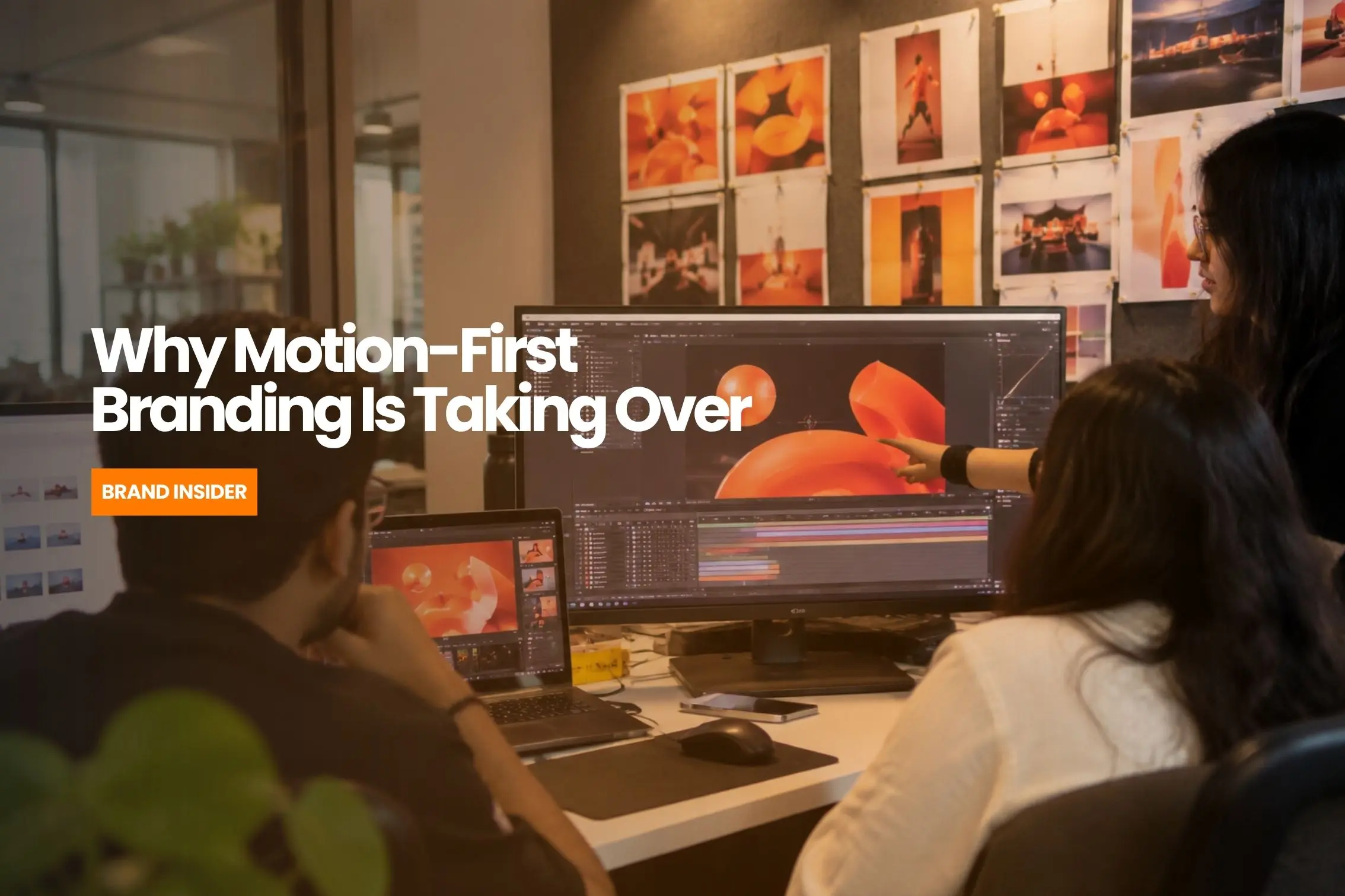
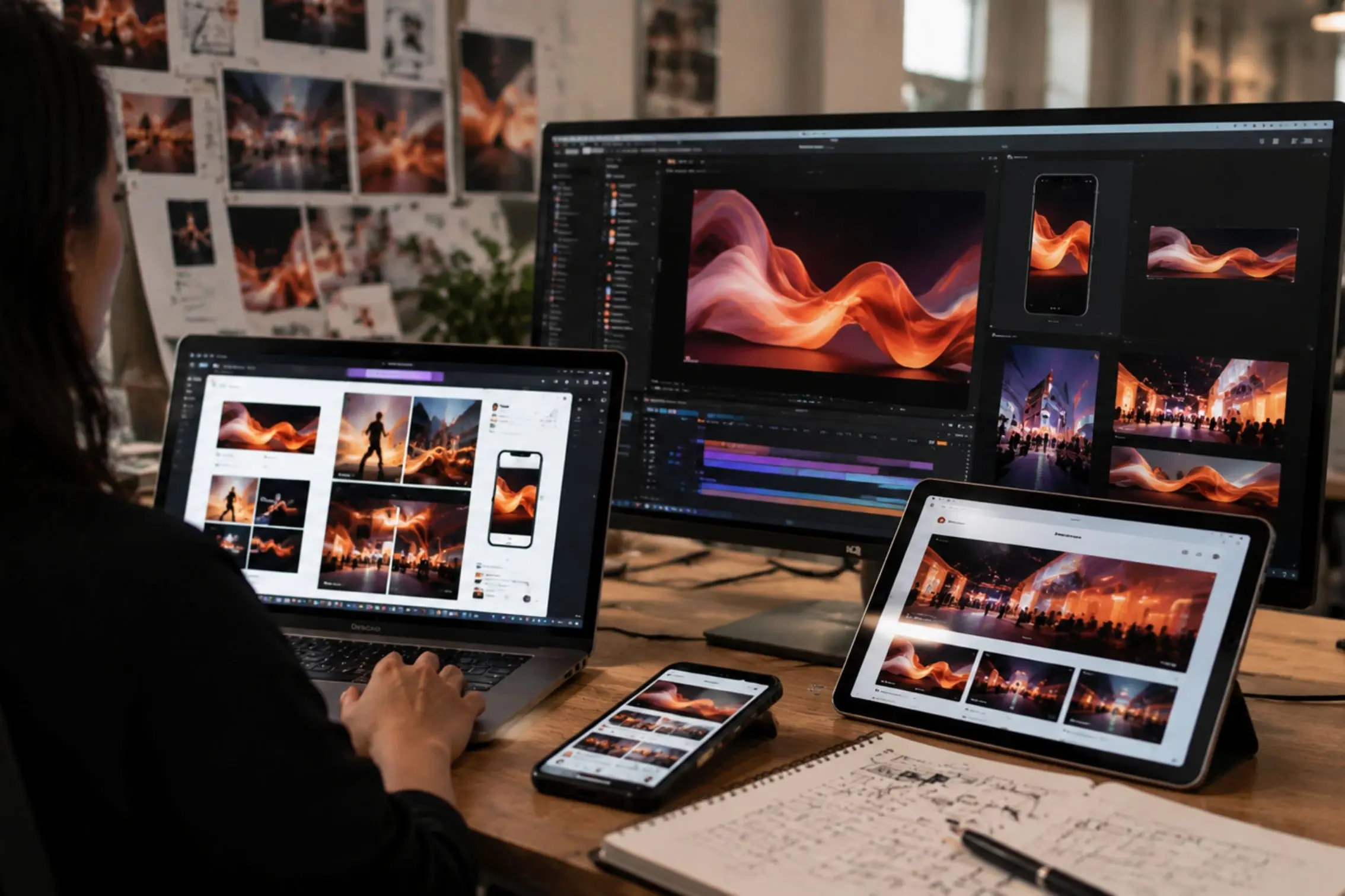
Brands today are no longer designed only for static spaces. They live across social media, digital campaigns, websites, apps, presentations, events, and video content. As audiences increasingly consume information through moving screens, motion-first branding is becoming an important part of modern brand identity.
Instead of treating animation as an additional layer, brands are now considering movement from the beginning of the design process. This shift is helping businesses create more dynamic, recognizable, and engaging brand experiences across digital platforms.
Motion-First Branding Builds Stronger Recognition
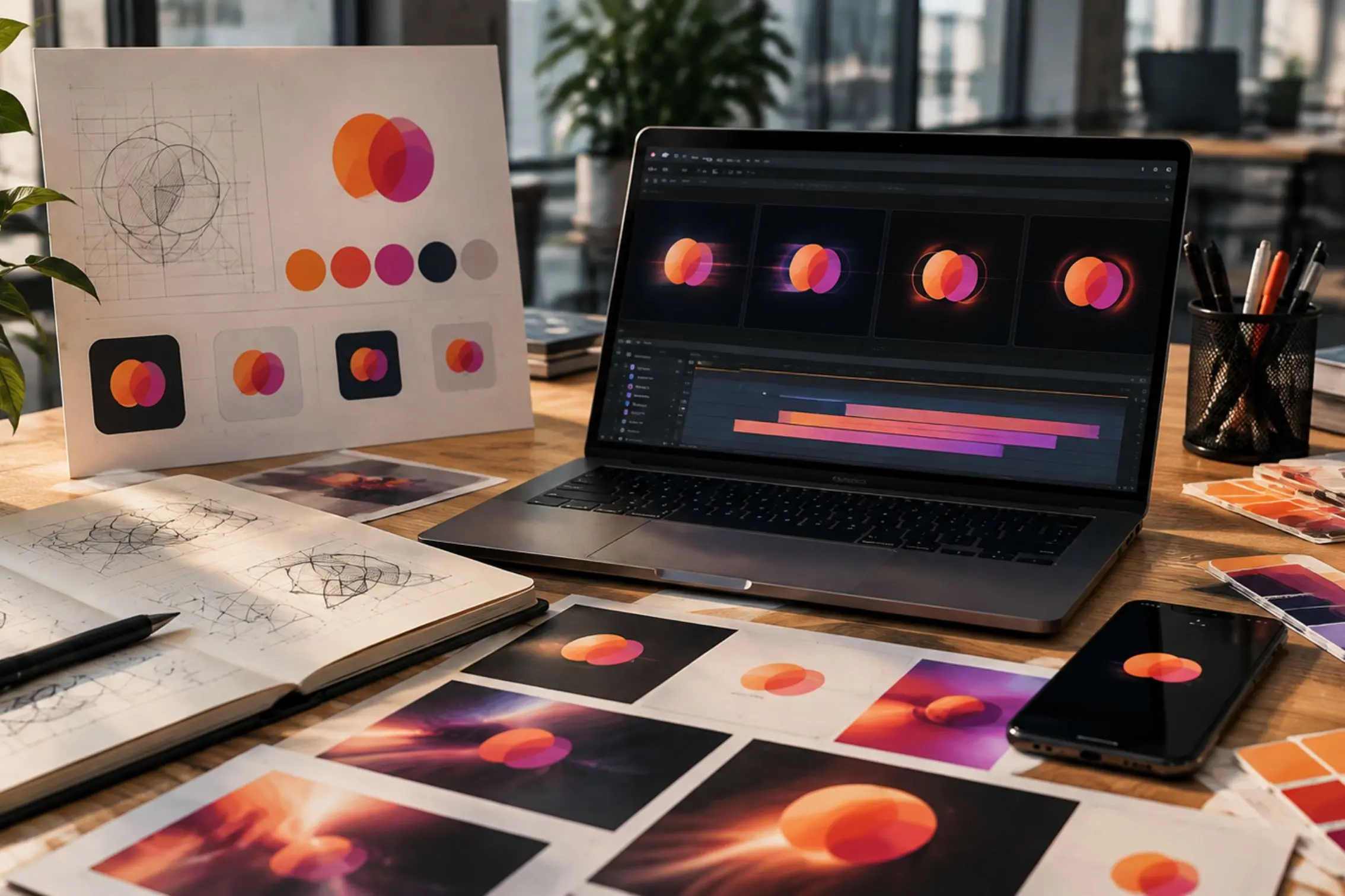
Traditional branding usually begins with static elements such as logos, colours, typography, and graphic systems. Motion-first branding expands these elements by defining how they move, appear, transition, and interact.
A logo reveal, animated typography style, graphic transition, or recurring movement can become part of how audiences recognize a brand.
When motion is used consistently, it can strengthen brand identity in the same way that a distinctive colour palette or visual style does.
Video-First Platforms Are Changing Brand Design
Social media has played a major role in the growth of motion branding.
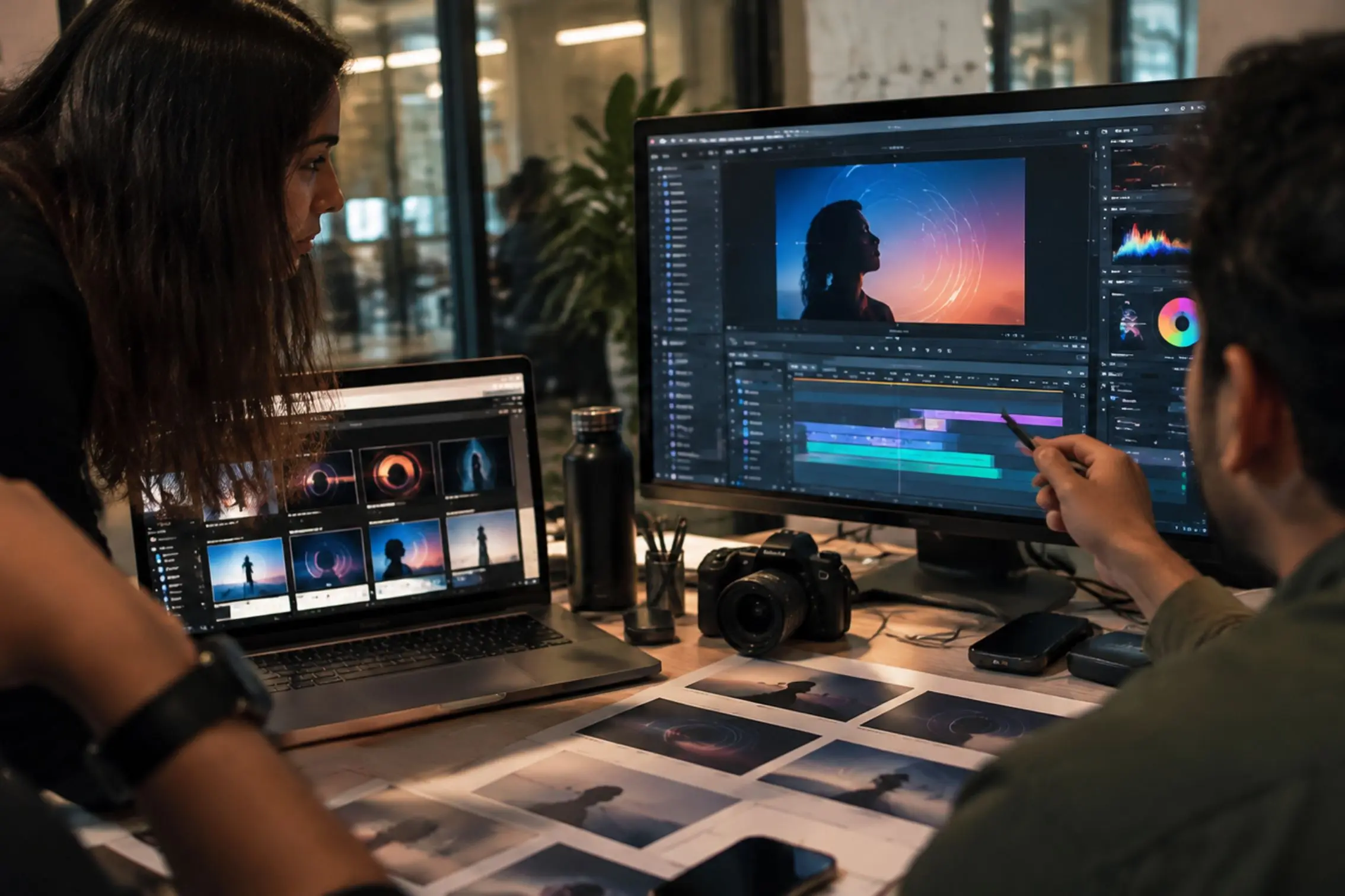
Platforms built around Reels, short-form video, stories, and digital advertising require brands to communicate quickly. Static designs still have value, but movement can help attract attention within the first few seconds.
Motion graphics, animated brand elements, kinetic typography, and short video formats allow brands to communicate messages in a more visually engaging way.
As video-led content continues to grow, brands need visual identities that can perform naturally in motion.
Motion Creates More Expressive Brand Experiences
Movement can add personality to a brand.
The speed of an animation, the way typography appears, or how graphic elements transition can communicate qualities such as energy, sophistication, innovation, or playfulness.
This makes motion an important part of brand storytelling.
A thoughtful motion branding system ensures that these movements feel consistent rather than being different across every campaign or piece of content.
Consistency Across Digital Touchpoints Matters
Strong branding depends on consistency.
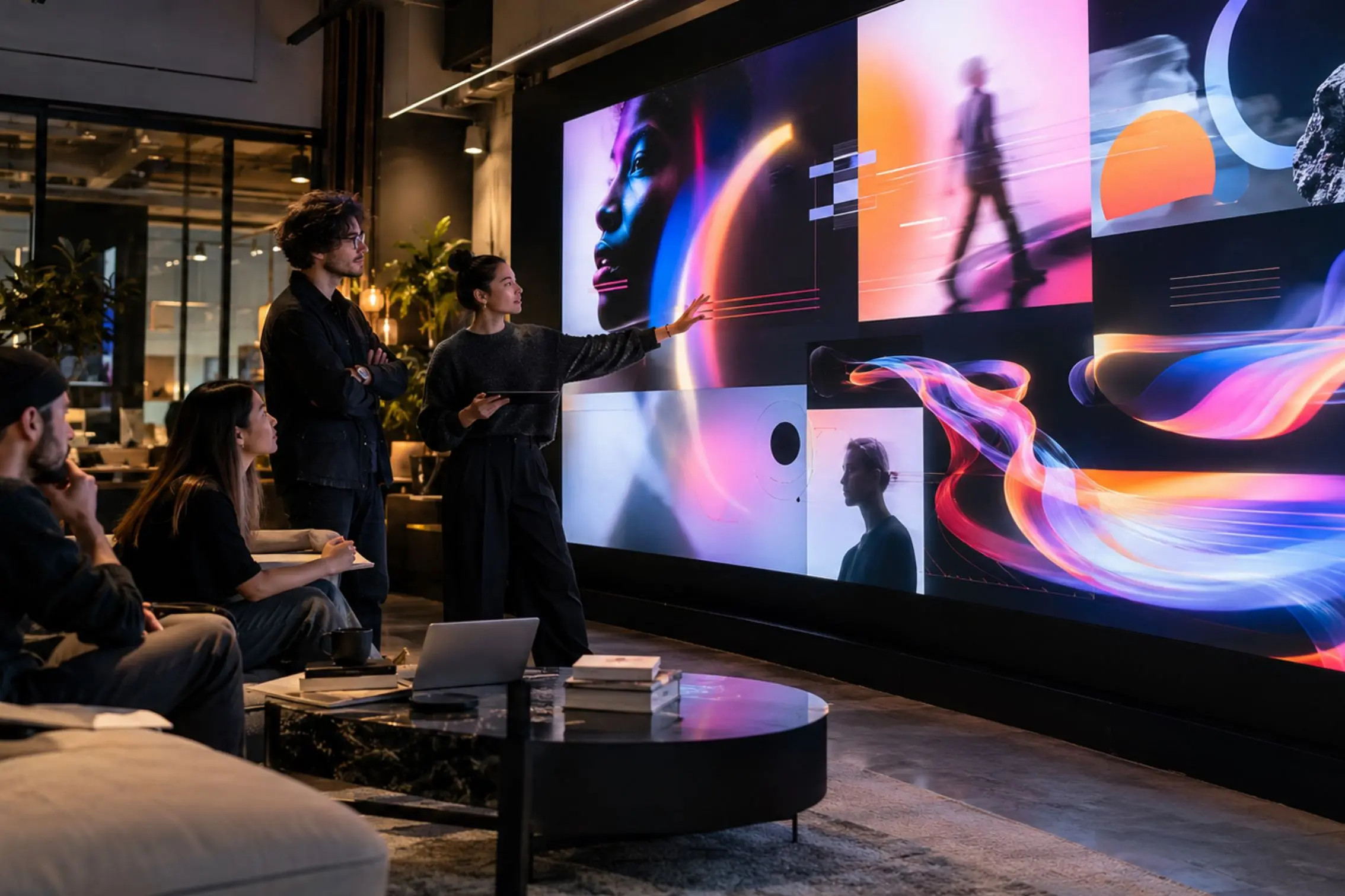
Motion design guidelines can help brands maintain a recognizable visual language across social media videos, website interactions, advertisements, presentations, event screens, and other digital touchpoints.
The goal is not to animate everything. Effective motion-first branding uses movement selectively to strengthen communication and create a more connected brand experience.
The Crewtangle Take
Motion is becoming part of how modern brands speak, not simply how they decorate content.
At Crewtangle, we believe motion-first branding works best when movement is built into the brand system from the beginning. By combining visual identity, storytelling, and purposeful motion, brands can create experiences that feel more dynamic, consistent, and memorable.
As audiences spend more time engaging with moving content, brands that understand how to move with purpose can build stronger recognition across every screen.
-
Content that rocks the world
06 November, 2020 -

Design: Bringing Ideas to Life
12 November, 2020 -

Whassup Bud: One of Budweisers’ Evergreen Television Ad Campaign
20 November, 2020 -

Brands must be Gods
27 November, 2020 -

The Deffective Dictionary
08 January, 2021